Every modern home, office, and industrial facility relies on electrical panels. These panels act as the command center of electrical distribution, making them one of the most critical components in any electrical system.
What is an Electrical Panel?
An electrical panel is essentially the control hub of power distribution. It receives electricity from the utility and routes it safely to various parts of a facility. It houses circuit breakers, bus bars, relays, and protective devices that manage the flow of power.
Types of Electrical Panels
- LT Panels (Low Tension): Distribute power at low voltages, ideal for residential, commercial, and small industrial needs.
- MCC Panels (Motor Control Centers): Control and protect motors in industries like manufacturing, textiles, and chemical plants.
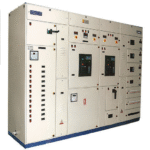
- PCC Panels (Power Control Centers): Handle the bulk distribution of electricity in heavy industries.
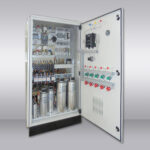
- APFC Panels (Automatic Power Factor Control): Correct poor power factor, reducing energy waste and lowering electricity bills.
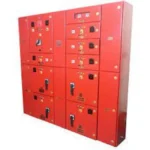
- Fire MCC Panels: Specifically designed to ensure fire-fighting systems remain operational during emergencies.
Importance of Panels
Panels are not just about power delivery—they are about safety. By protecting against short circuits, overloads, and faults, they minimize risks. Compliance with safety standards such as CPRI certification ensures reliability and reduces liability for companies.